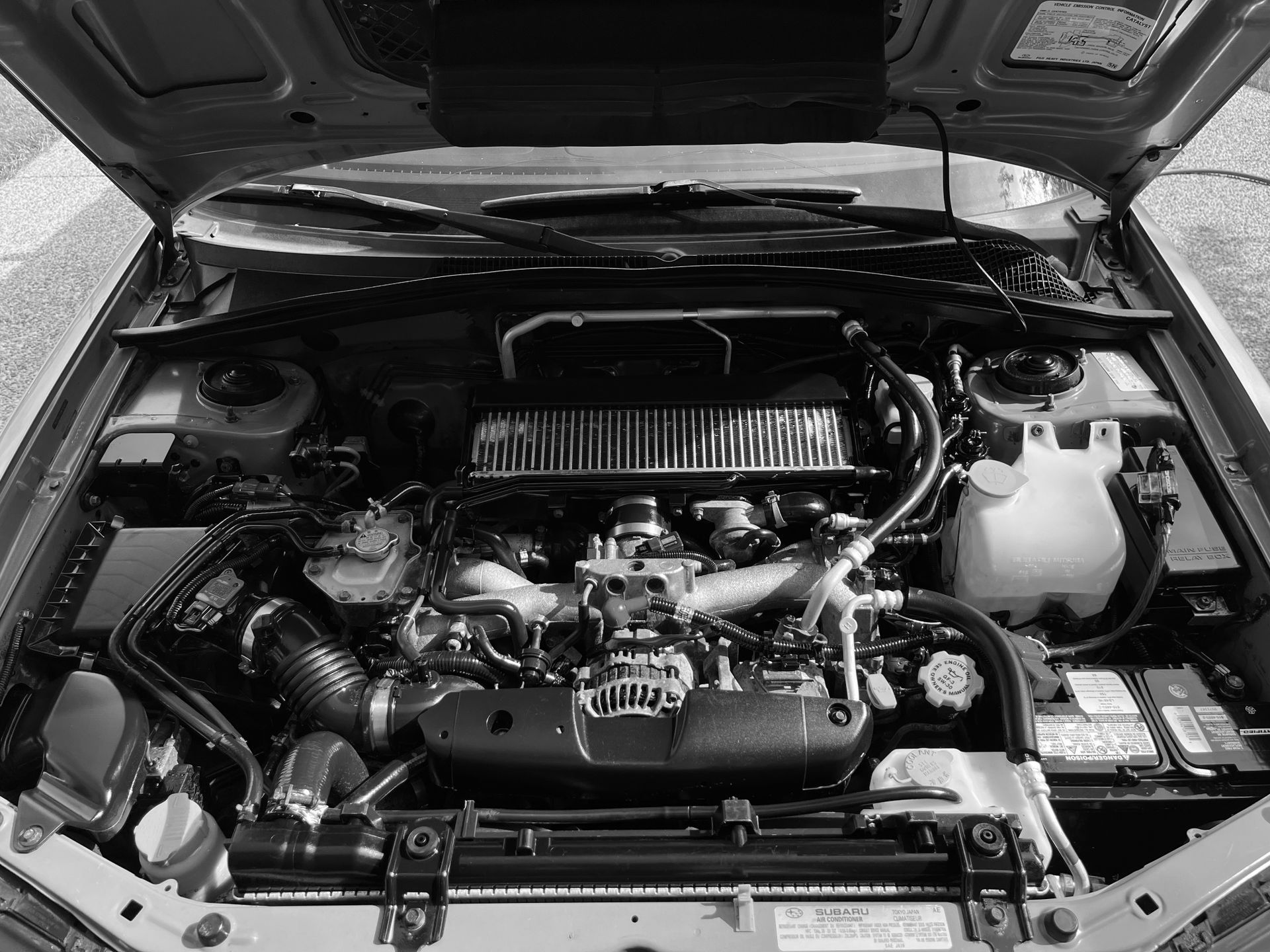
An engine swap changes more than your vehicle’s power output. A different engine may produce more heat, move coolant at a different rate and require a completely different balance between airflow and radiator capacity. Even when the replacement engine fits physically, the original cooling system may no longer be capable of keeping temperatures stable during traffic, towing, hot Australian weather or sustained high load. Understanding these changes helps you design the cooling system around the new engine rather than relying on components intended for the original setup.
Higher Heat Output Changes Radiator Requirements
When you install a larger or more powerful engine, you may increase the amount of heat that must be removed from the engine bay. Your existing radiator might have been sized for a lower output engine, so keeping it without checking its capacity can result in rising coolant temperatures under load.
You may need a larger radiator, a more efficient core or additional airflow to manage the new thermal demand. Depending on the layout and cooling strategy, parts ranging from upgraded fans and water pumps to Davies Craig automotive cooling products and components may be considered alongside other compatible options. The important point is to match each component to the engine’s heat output, available space and intended use rather than choosing parts by engine size alone.
Coolant Flow May Need to Be Reconfigured
Different engines use different coolant flow paths, water pumps and hose layouts. Once you swap engines, the original radiator inlet and outlet positions may no longer align properly with the new engine. Restrictive hose routing, sharp bends or incorrectly sized fittings can reduce circulation even if the radiator itself is large enough.
You also need to consider water pump performance. An engine operating at different speeds or loads may require a different coolant flow rate. Maintaining consistent circulation helps transfer heat from the engine to the radiator efficiently and reduces the risk of localised hot spots.
Fan Capacity Becomes More Important
An engine swap often changes how much space remains between the engine and radiator. You may lose room for the original mechanical fan or find that its position no longer lines up effectively with the radiator.
Using appropriately sized electric cooling fans can provide more flexibility, particularly in tighter engine bays. Fan capacity should match the radiator area and expected heat load. You also need to consider whether the fan works as a puller or pusher, because incorrect positioning can limit airflow through the radiator when the vehicle is stationary or travelling slowly.
Thermostat Settings Must Suit the New Engine
The original vehicle’s cooling controls were designed around its factory engine. If your replacement uses a different internal combustion engine (ICE) configuration, its normal operating temperature, coolant flow requirements and control strategy may also differ. That can affect the thermostat specification needed for the new setup.
Choosing a thermostat simply because it opens at a lower temperature does not automatically improve cooling. It needs to work with the engine management system, radiator and coolant flow rate. Removing it altogether can also create problems because coolant may circulate in a way that prevents the engine from reaching or maintaining its intended operating temperature.
Engine Bay Changes Affect Cooling Efficiency
Packaging has a major influence on cooling performance. A larger engine can reduce the space available for air to move through and leave the engine bay. Headers, turbochargers and other components may also introduce additional heat close to cooling hoses, wiring and the radiator.
You therefore need to consider airflow management as part of the swap. Fan shrouds, radiator positioning and clear paths for hot air to escape can improve cooling without simply fitting the largest components available. A well-designed system manages both coolant movement and airflow through the entire engine bay.
Build the Cooling System Around the New Engine
A successful engine swap requires you to treat the cooling system as part of the conversion rather than as an unchanged factory system. Radiator capacity, coolant routing, fan performance, thermostat operation and engine bay airflow all need to suit the heat generated by the replacement engine. By assessing these factors together, you can create a cooling setup that keeps temperatures controlled across everyday driving, heavy loads and demanding conditions.
