Maria Teresa de Filippis (1958, 1959)
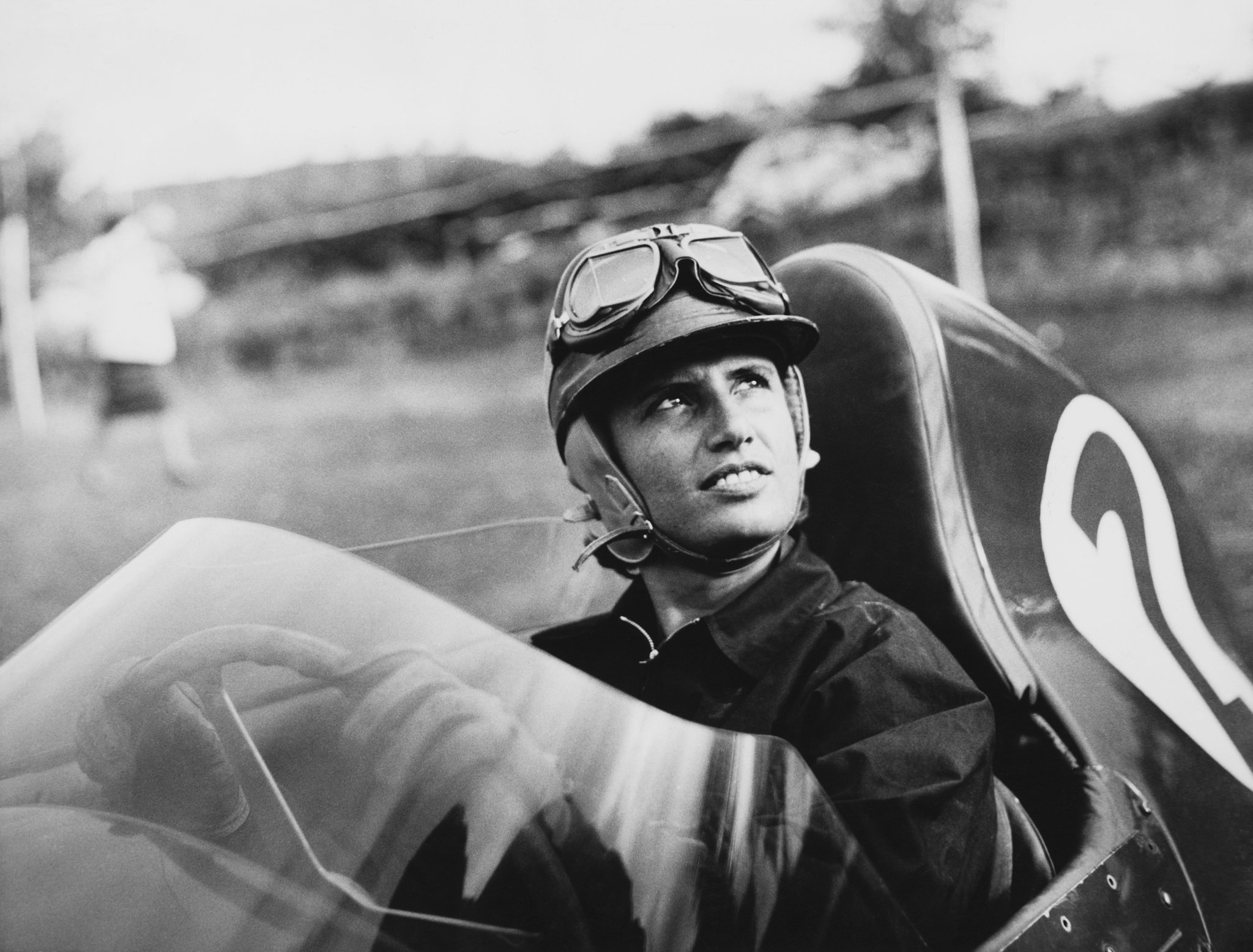
Maria Teresa de Filippis was the first woman ever to compete in F1. She was born in Italy in 1926 and switched from horse riding to car racing as a response to her two brothers betting against her, saying that she would not be able to drive very fast. She proved that she was very fast and they were very wrong.
De Filippis had both talent and passion for racing cars, which made her a successful driver and the car giant Maserati, noticing her potential, brought her on their team. She competed in several Grand Prix tournaments in 1958, albeit finishing only one: The Belgian Grand Prix.
Although her F1 career was not marked with victories, Maria Teresa de Filippis was a pioneer in a men’s world of car racing – a woman that showed F1 was not reserved for men only, even when race officials around her commented that: “the only helmet a woman should wear is the one at the hairdresser’s.”
Lella Lombardi (1974, 1975, 1976)
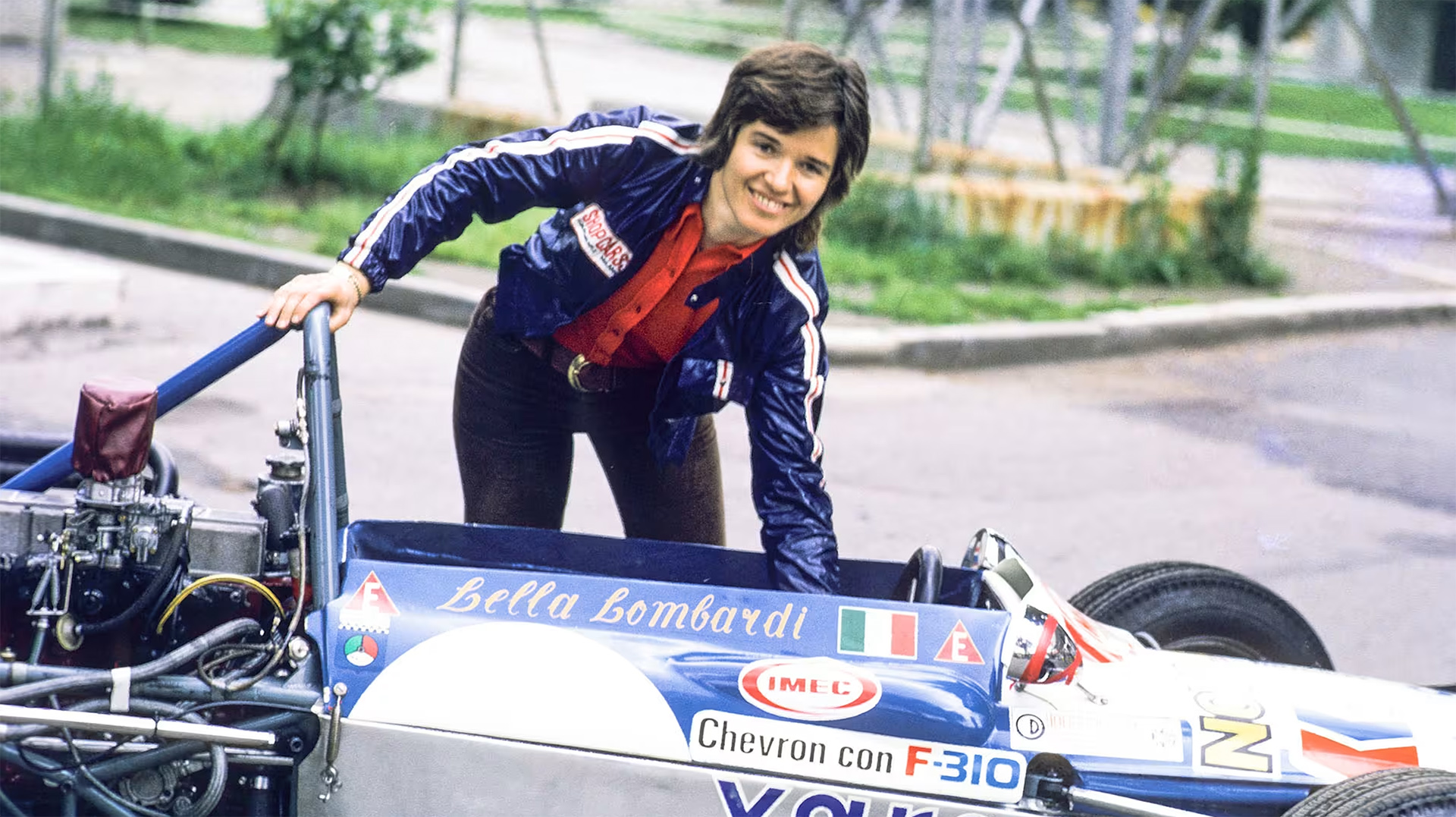
Lella Lombardi was the most successful female F1 driver in history. Also Italian, she began her working life by driving the delivery truck for her family’s shop in a small town in Piedmont.
Finding her love of driving, she had a brief experience with karting before she moved onto international formula racing. Lombardi debuted in F1 championship in 1974 (March Team), but failed to qualify. Nevertheless, she returned in 1975 and during that season she managed to score a point in the Spanish Grand Prix.
To this day, she remains the only woman to ever score a point in F1. She returned to F1 in 1976, however her team replaced her after only one Grand Prix. Following that season she continued to race sports cars with some success. She died at the young age of 50.
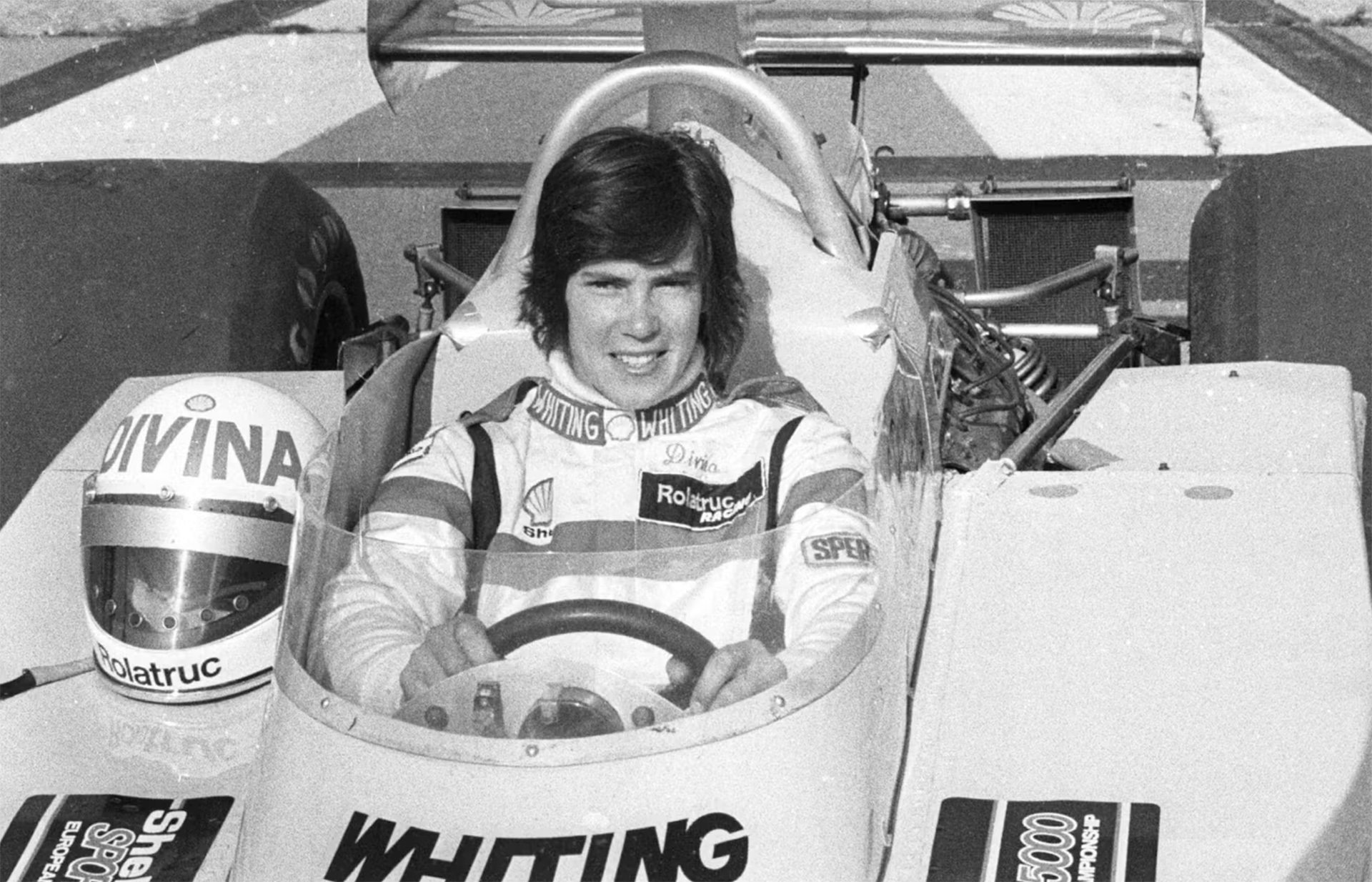
Divina Galica (1976, 1978)
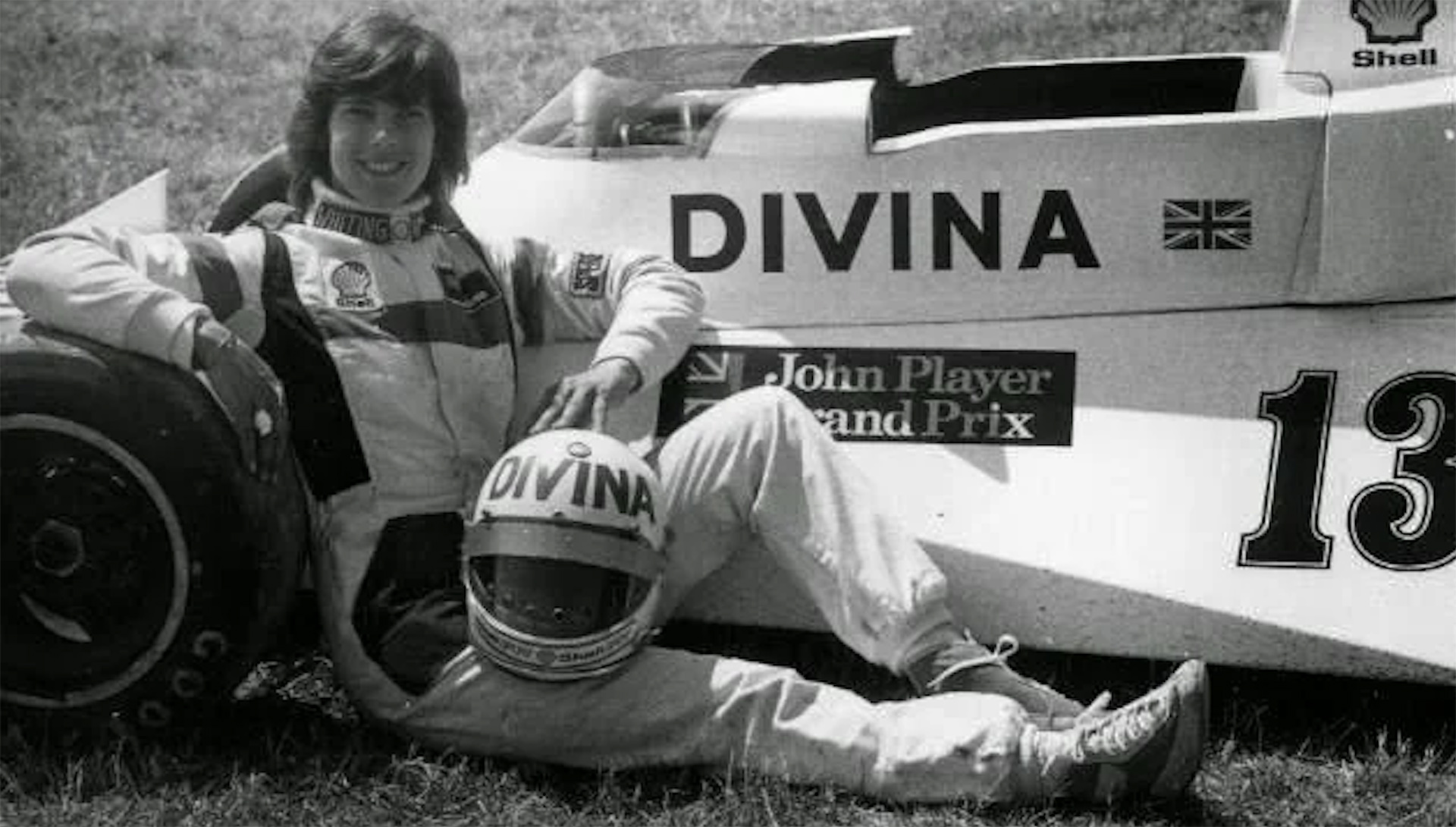
Divina Galica is a British Olympics skier and F1 driver. As a skier, Galica competed in four Winter Olympic Games, two times as the captain of the British Women’s Olympic Ski Team.
Her motorsports career was her “second” career path, with Galica being extremely talented for both skiing and racing. In 1976, she entered the British Grand Prix but failed to qualify – some say for competing under the unlucky number 13. She entered the F1 competition again in 1978, but did not manage to qualify for either of the first two races of 1978 F1 season.
From her brief experience as a F1 driver but also as a successful professional sportsperson, she tells the truth when she says that talent is not enough, and that even through “current women in motorsports are very capable, I worry that they aren’t being given enough practice time to really learn the tracks, that they don’t have most competitive cars, and that there is therefore a terrible risk that they will end up falling flat on their faces… just like I did.”
Desiré Wilson (1980)
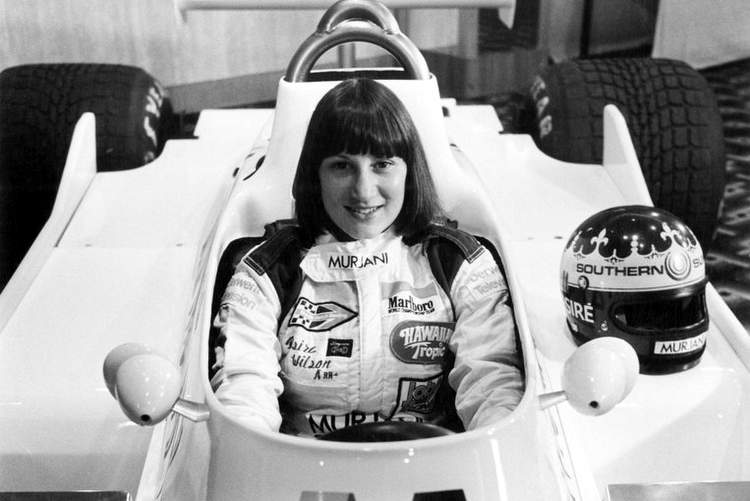
Desiré Wilson is a South African former racing driver who competed in 1980 F1 championship. Wilson has loved racing from the early age of five and by the age of twelve came second in South African nationals as midget-car driver.
1980 Wilson entered the 1980 British Grand Prix but failed to qualify – possibly her most famous career moment, even though she has many very successful races to show her talent.
That same year of 1980, Wilson competed and won two of FIA World Championship races: Monza 1000km and the Silverstone 6 Hours World Championship for Makes, thus becoming the first woman in history to score a victory in any FIA World Championship race. Wilson is still alive, hoping to see new female talent in F1.
Giovanna Amati (1992)
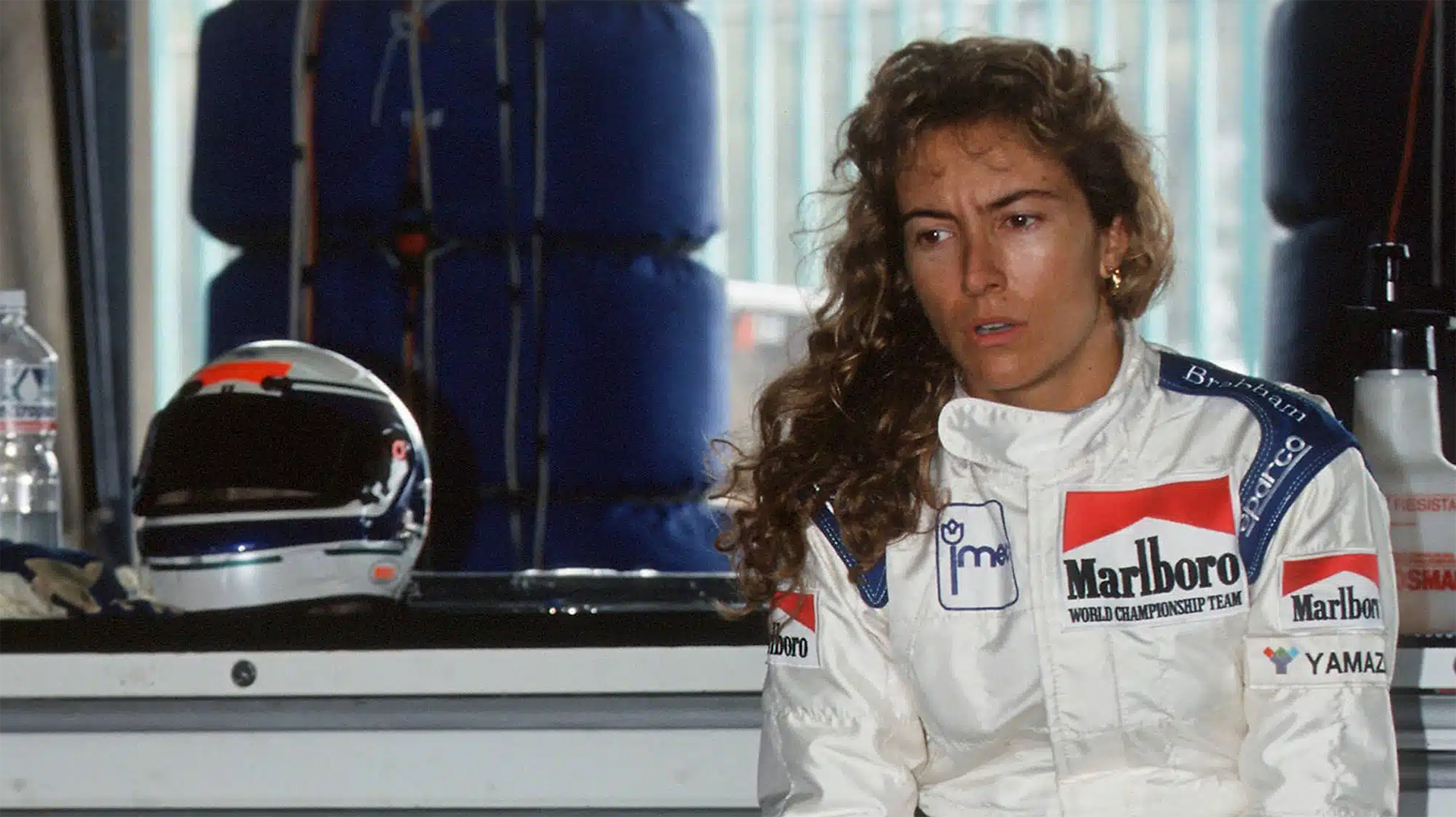
Giovanna Amati is the last woman to have competed in F1. Like De Fillippis and Lombardi, Amati is also Italian. She was brought up in a wealthy family and had been kidnapped and caged for 75 days as a young girl. Her parents paid the equivalent of $933,000 for her release.
However, Amati did not let the event ruin her life and she soon begun a racing career, filling her life with what she loved most. In her early career, she won a number of Formula Abarth and Formula Three races. She first moved to F3000 and then F1, when she tried but failed to qualify in a series of Grand Prix events in 1992. Nevertheless, she continued racing cars for years afterwards, achieving significant results, amongst them winning 1993 Women’s European Championship and coming in second in SportsRacing World Cup 1999 in the SR2 class. Today she works as a journalist and commentator for motorsports.
